
Every diesel produces a little soot. The catch is that an aging diesel produces more of it — and two emissions systems, the EGR and the PCV, quietly feed a lot of that soot back into the engine instead of letting it leave. Left unchecked, that rising soot load is exactly what clogs a diesel particulate filter (DPF). Here’s why it happens as your engine gets older, how a hydrogen carbon clean breaks the cycle, and why — paired with a factory-spec logbook service — we’re proud to launch the CarbonTech DPF Warranty.
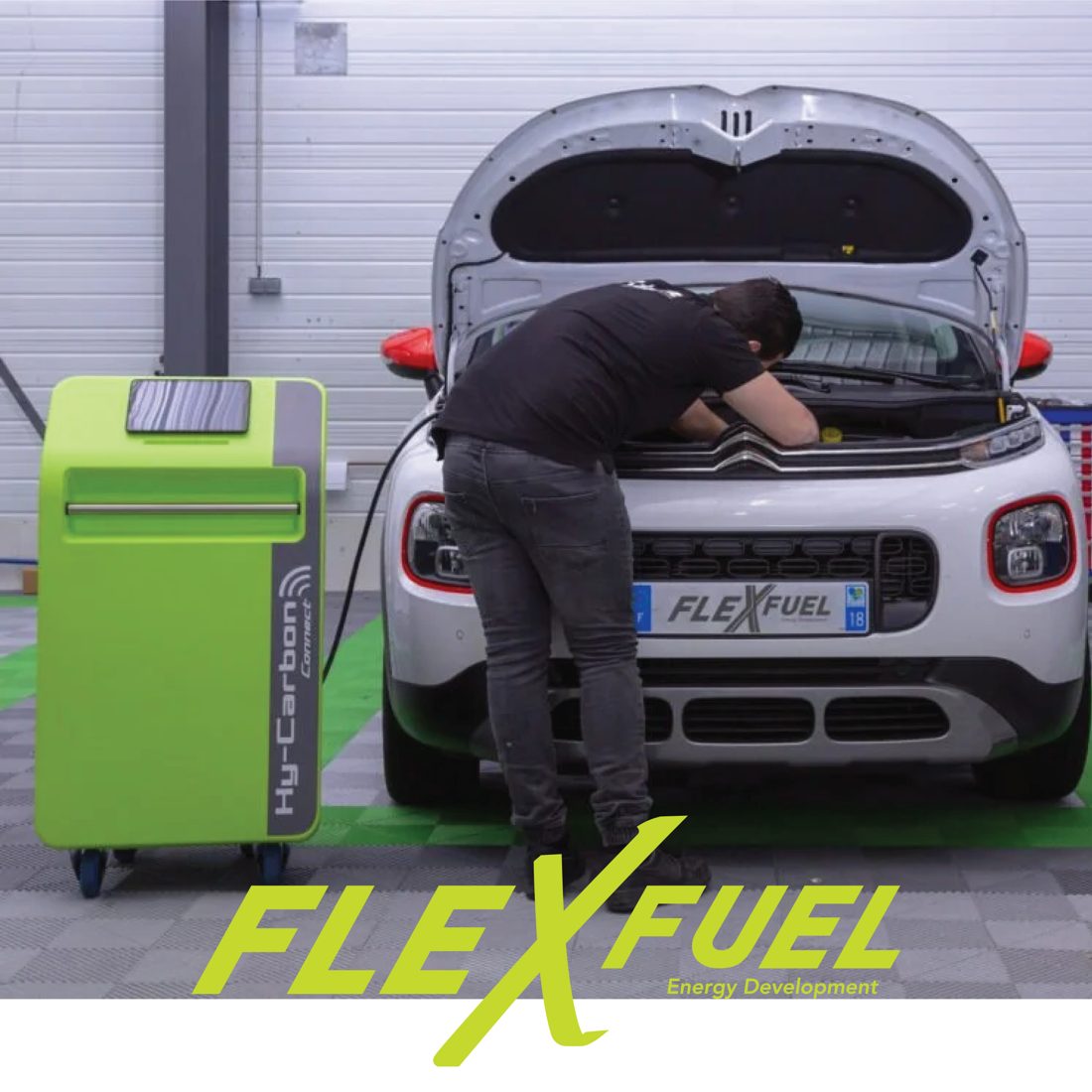
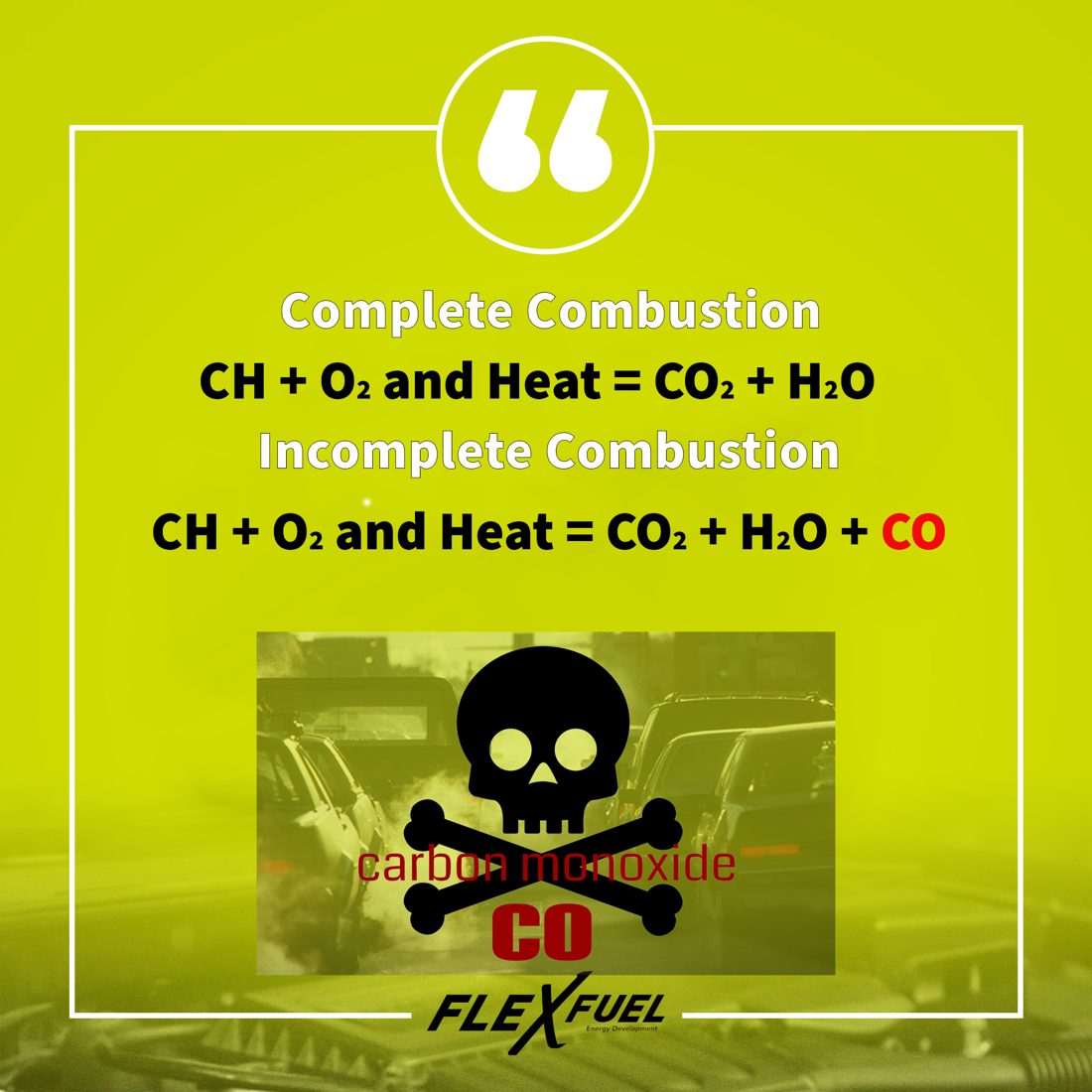
A brand-new diesel burns fuel cleanly. As the kilometres climb, wear creeps in — injectors spray less precisely, rings seal a little less, and carbon starts to coat valves and the combustion chamber. The result is combustion that’s slightly less complete, and incomplete combustion means one thing: more soot. It’s gradual, so most owners never notice — until the DPF light appears.
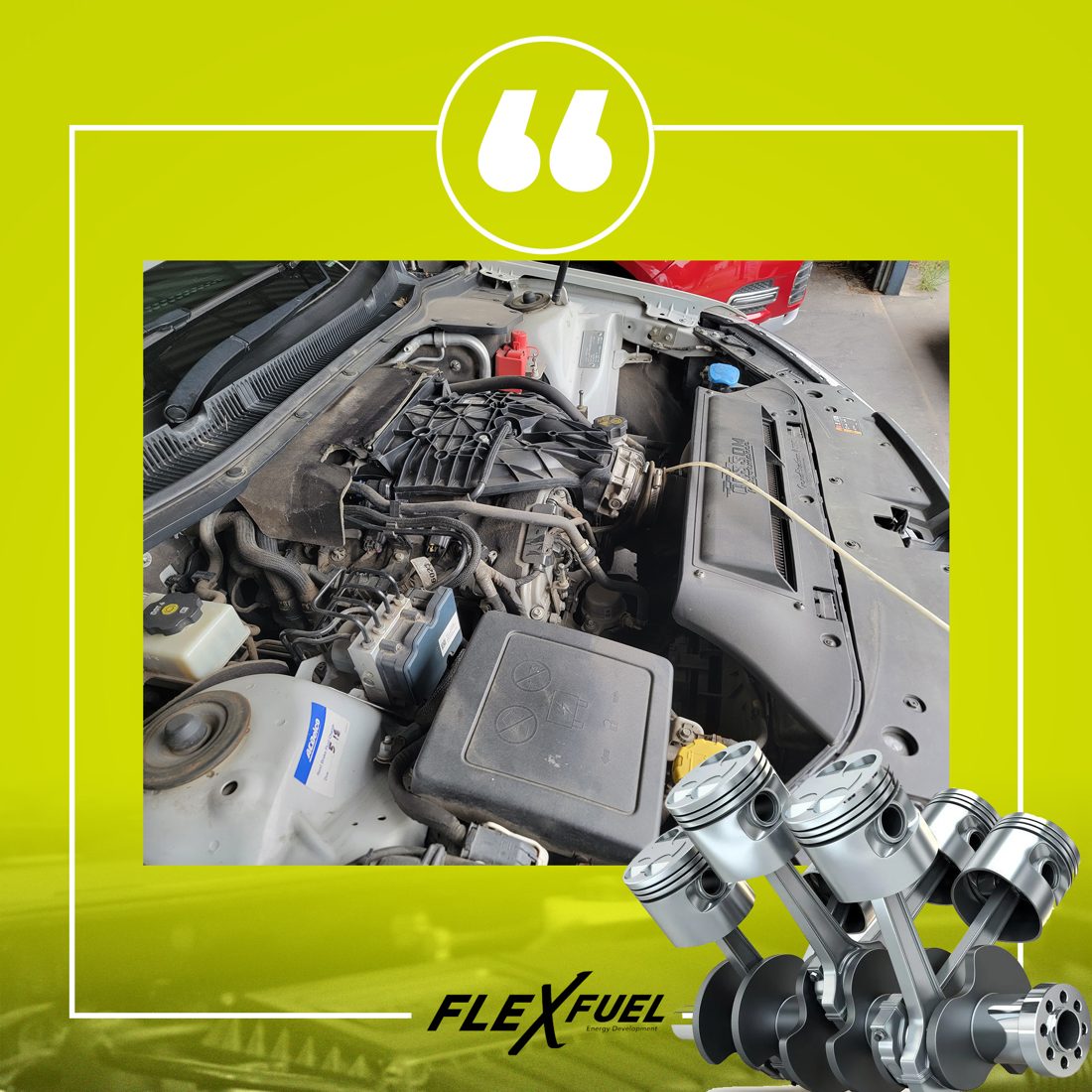
Two systems designed to cut emissions end up recirculating that soot straight back into your engine:
Together they snowball: dirtier combustion → more soot and oil recirculated → more deposits → dirtier combustion still. Every turn sends more soot to your DPF.
A hydrogen carbon clean introduces hydrogen and oxygen into the intake for a hotter, more complete burn that loosens the carbon coating the combustion chamber, valves and intake tract. With that build-up reduced, the engine breathes freely again and the air/fuel ratio returns toward its optimal level — so fuel burns more completely and the engine makes less soot to begin with.
One honest limitation (this matters): a hydrogen clean loosens and removes softer carbon, but it cannot remove very hard, baked-on carbon once it has heavily built up. That’s why it works best as regular, preventive maintenance — done before deposits harden.
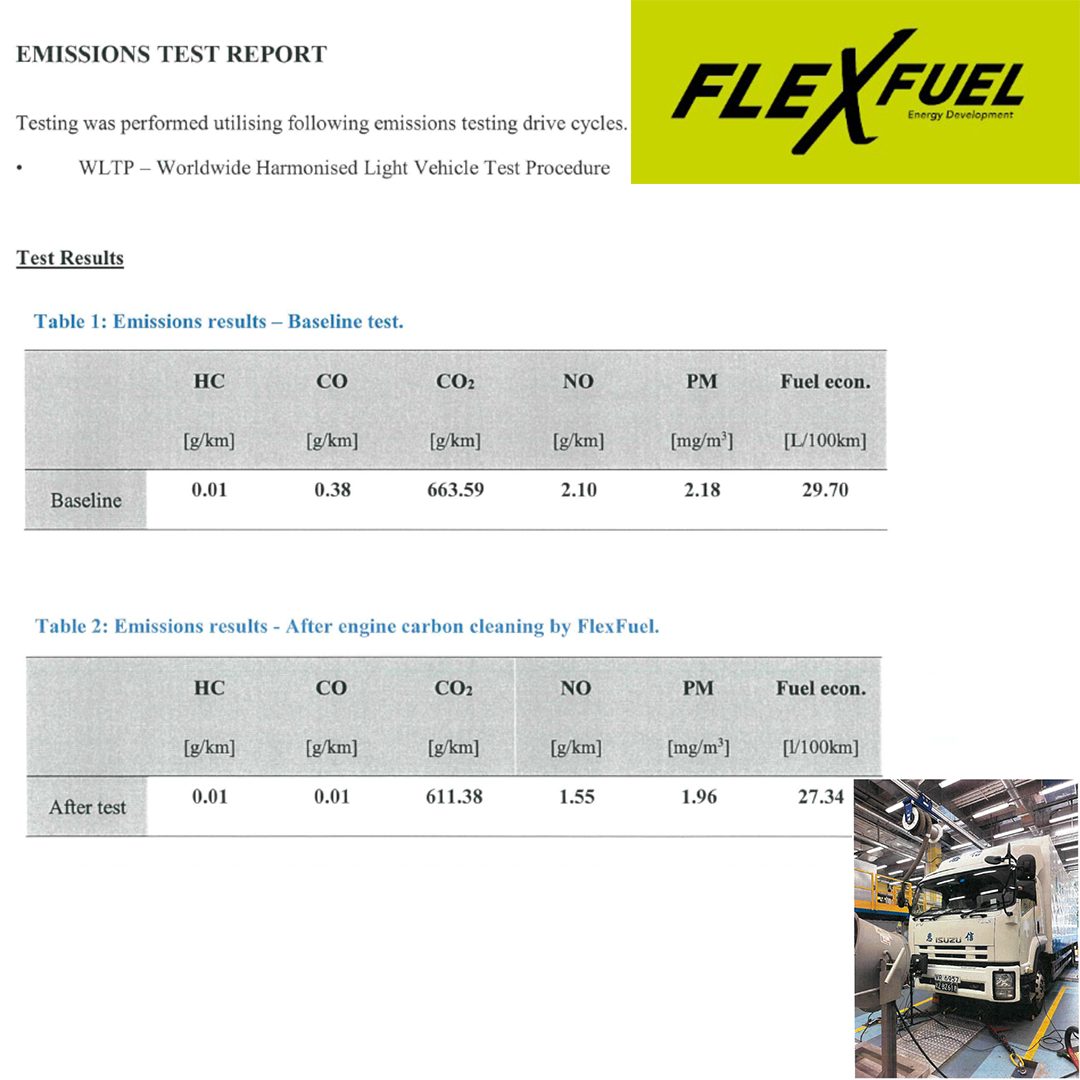
This isn’t just theory. In controlled FlexFuel WLTP testing, the same engine before and after a clean showed particulate (soot) output fall, carbon monoxide drop by ~97%, and up to 50% lower emissions overall.
Your DPF has to trap every gram of soot the engine makes, then burn it off during regeneration. Produce less soot and the filter loads more slowly, regenerates properly and stays clear — even as the engine ages. Keep feeding it a rising soot load and it eventually clogs, drops into limp mode, and can set off a costly chain of repairs.
Pair a regular hydrogen carbon clean with a factory-specification logbook service and you’re treating the cause of DPF blockage — soot — instead of paying to fix the symptom later. On a diesel that does short, around-town trips, it’s the cheapest insurance you can give the filter.
We’re confident enough in this preventive approach that we’re proud to launch the CarbonTech DPF Warranty. Keep your diesel maintained with a factory-specific logbook service and a regular hydrogen carbon clean through CarbonTech, and we’ll back your DPF — genuine peace of mind that soot won’t quietly clog your filter as your engine ages.
Eligibility and terms & conditions apply. Register your interest below and we’ll walk you through how it works for your vehicle.
Before you register, read the full DPF Warranty Terms & Conditions — exactly what’s covered and the two-service eligibility steps.
Leave your details below and our team will be in touch about DPF Warranty eligibility for your diesel — including your factory-spec logbook service and hydrogen carbon clean schedule.
Prefer to talk now? Book online or call 0483 926 061.
Does a hydrogen clean remove all the carbon? No — it removes softer build-up and restores combustion, but not very hard, baked-on carbon. Done regularly, it stops carbon reaching that stage.
Will it unblock a DPF that’s already clogged? It reduces the soot going in; an already-blocked filter needs a DPF clean first.
How often should I do it? For town-driven diesels, with each logbook service; for mostly-highway cars, less often.
Related: Hydrogen Carbon Clean · DPF Cleaning · DPF Regeneration · Signs Your DPF Is Blocked